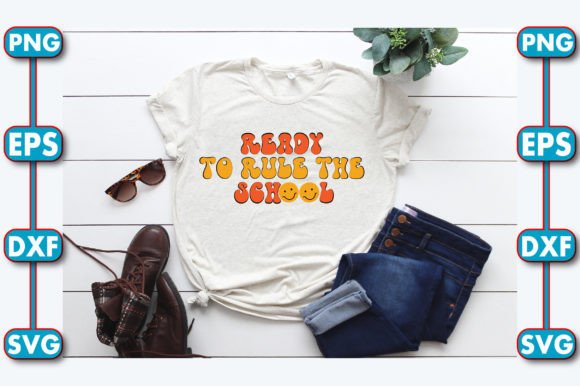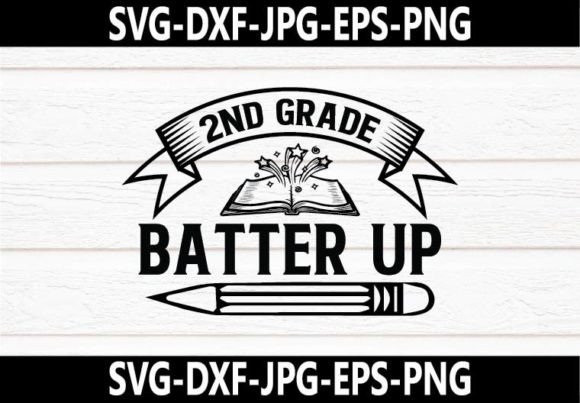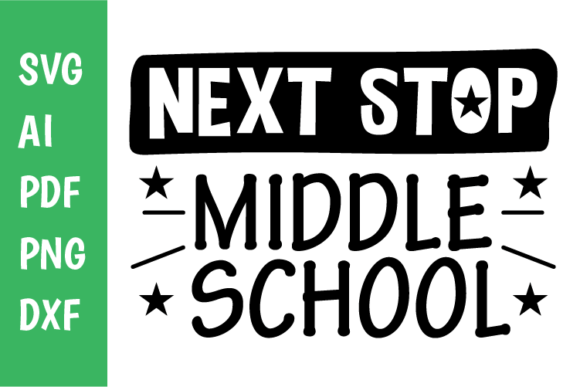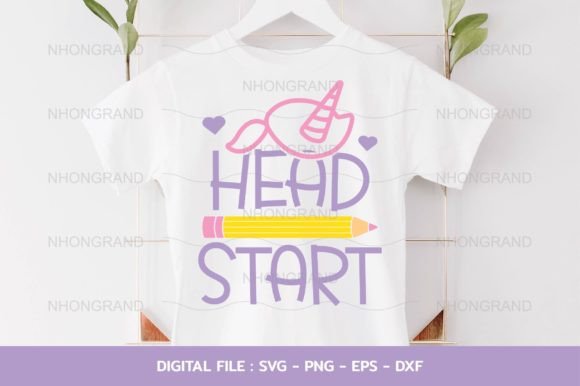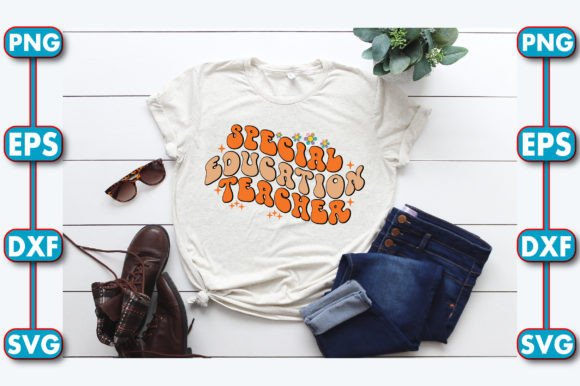
Special Education Teacher: Strategic Tools for Back to School SVG Design
For educators, entrepreneurs, and creative professionals, the role of a Special Education Teacher extends beyond the classroom. It involves understanding individual learning needs, adapting strategies, and creating inclusive environments. This same mindset can be applied to digital design, particularly when working with Back to School SVG designs. These files are not just artistic expressions—they are tools that support planning, communication, and execution in both educational and commercial settings.
SVG (Scalable Vector Graphics) files offer precision and flexibility, making them ideal for use in cutting software like Cricut Design Space, Silhouette Studio, and others. When paired with a strategic approach, these designs can enhance productivity, branding, and customer experience. Understanding how to leverage Special Education Teacher principles in this context can lead to more intentional and effective outcomes.
Understanding the Value of Special Education Teacher in Digital Design
The concept of a Special Education Teacher is rooted in adaptability and personalized support. In the realm of digital design, this translates to tailoring assets to specific needs. Whether you're creating custom school supplies, classroom decorations, or promotional materials, the ability to adjust and refine designs is crucial.
Back to School SVG designs often include elements like books, pencils, backpacks, and classroom scenes. These images are not one-size-fits-all. A thoughtful designer considers how each element will be used—whether for a teacher’s bulletin board, a student’s project, or a small business’s marketing campaign. This requires an understanding of the end goal, much like a Special Education Teacher would assess a student’s learning style before designing an instructional plan.
By approaching SVG design with the same care and intentionality as a Special Education Teacher, creators can produce assets that are not only visually appealing but also functionally effective. This means choosing the right file formats, ensuring compatibility with cutting machines, and maintaining high-quality resolution across different applications.
Strategic Use of Back to School SVG Designs
When planning to use Back to School SVG designs, it’s important to align them with broader goals. For educators, these files can support classroom organization, lesson planning, and student engagement. For entrepreneurs, they can serve as part of a product line, marketing collateral, or brand identity.
Consider the following use cases:
- Classroom Decor: Custom banners, wall art, and labels can create a welcoming environment for students. These designs should be easy to cut and assemble, ensuring they meet the practical needs of teachers.
- Custom Products: Businesses selling school supplies, such as planners, folders, or notebooks, can use SVG files to create unique, branded items. This requires attention to detail and compatibility with various cutting software.
- Marketing Materials: Social media posts, email templates, and promotional graphics can benefit from consistent visual themes. High-quality SVG files ensure that these assets look professional across different platforms.
Each of these scenarios requires a clear understanding of the target audience and the intended use. Just as a Special Education Teacher would develop an individualized education plan, designers must tailor their approach to the specific needs of their projects.
Planning and Execution: Key Considerations
Before relying on Back to School SVG designs, it’s essential to evaluate your workflow and technical requirements. Not all cutting machines support the same file formats, so checking compatibility is a critical step. Common formats include SVG, EPS, DXF, AI, and PNG transparent clipart files. Each has its own strengths and limitations.
For example:
- SVG Files: Ideal for web use and scalable designs. They work well with most cutting software and allow for easy editing.
- EPS Files: Suitable for print and vector-based projects. They maintain quality at any size but may require specialized software for editing.
- DXF Files: Often used in industrial cutting applications. They provide precise measurements and are compatible with many CNC machines.
- PNG Transparent Clipart: Useful for layering and compositing in graphic design programs. They offer flexibility but lack scalability.
- AI Files: Adobe Illustrator files that retain full editability. They are preferred by professional designers but may not be accessible to all users.
Choosing the right format depends on your specific needs. A teacher looking to create classroom signs may prioritize ease of use and compatibility, while a small business owner might focus on print quality and brand consistency.
Long-Term Value and Decision-Making
Investing in high-quality Back to School SVG designs can yield long-term benefits. These assets can be reused across multiple projects, reducing the need for repeated design work. This not only saves time but also ensures a cohesive visual identity.
However, the value of these designs depends on how they are managed and applied. Without a clear strategy, they may become underutilized or misaligned with broader objectives. This is where the principles of a Special Education Teacher come into play—focusing on purpose, process, and outcome.
Some decision-making tips include:
- Define Clear Goals: Ask yourself what you hope to achieve with each design. Is it for a single project, a recurring need, or a long-term brand strategy?
- Assess Technical Requirements: Ensure your equipment and software can handle the chosen file formats. Testing is always recommended before large-scale production.
- Plan for Scalability: Choose designs that can be adapted for different sizes, colors, or applications. Flexibility increases their usefulness over time.
- Document Your Process: Keep track of which files were used for what purpose. This helps in refining future projects and avoiding duplication.
By taking a structured approach, you can maximize the impact of your Back to School SVG designs and avoid common pitfalls.
Risks of Using Special Education Teacher Principles Without Context
While the principles of a Special Education Teacher can be beneficial, applying them without proper context can lead to inefficiencies. For instance, overcomplicating a design to accommodate every possible use case may result in unnecessary complexity. Similarly, failing to consider technical constraints can cause delays or compatibility issues.
Another risk is treating SVG designs as generic assets rather than tailored tools. This can lead to poor user experiences, especially if the files are not optimized for the intended application. A teacher who tries to apply a one-size-fits-all approach to instruction may struggle to meet the diverse needs of their students—just as a designer may fail to meet the needs of their audience if they don’t account for specific requirements.
To avoid these risks, it’s important to balance creativity with practicality. Always ask: Does this design serve a clear purpose? Is it suitable for the tools and platforms I’m using? Am I addressing the needs of my audience?
Conclusion: Intentional Use of Special Education Teacher Concepts
The intersection of Special Education Teacher principles and Back to School SVG design offers a powerful framework for strategic thinking. By focusing on purpose, planning, and practical application, creators can transform digital assets into valuable tools that support both personal and professional goals.
Whether you’re a teacher looking to enhance your classroom, a small business owner seeking to build a brand, or a designer aiming to improve your workflow, the key lies in intentional use. With the right approach, SVG files can become more than just visuals—they can become part of a larger strategy for success.